
Racism in Community Sport: StatCan Study on Discrimination in Our Sporting Communities

A study released by Stats Can in 2025 titled Unfair Treatment, Racism and Discrimination in Community Sports in Canada revealed an alarming rate of individuals affected by racism in organized sport within school and recreational settings. Drawing data from a 2023 Survey series that sheds light on racist and discriminatory occurrences included data collected from populations of athletic and non-athletic roles in various sporting communities. The study further touches on motivations for discrimination and the types of discriminatory behavior that victims experienced, further questioning the confidence in adequate training for those in leadership roles to prevent and handle racist or discriminatory occurrences.
The Statistics on Racism & Discrimination in Community Sport
Statistics Canada reports that 6% of the wider sporting community have been treated unfairly, discriminated against and have been victims of racism during the previous five years. These reports were increasingly higher among 2SLGBTQ+ community (21%), the racialized population (12%) and people who reported having a disability (9%), furthermore one in seven victims have also reported being physically attacked or assaulted (Statistics Canada, 2025). Aside from sport participants, victims are also coaches and spectators. Some individuals have reported experiencing more than one type of discrimination where 69% of victims were purposefully made to feel uncomfortable, 22% being threatened or harassed, and 14% reported having been physically attacked or assaulted. Although reports of these treatments took place across multiple sporting environments, the most common locations included playing fields, public community centres, and schools and campuses (Statistics Canada, 2025).
How do these findings translate into our community?
While the results of this study are concerning for greater Canada, what does this mean for our community? Community sports are described as organized sporting activities that primarily take place within school sports leagues, competitive club sports, recreational sports and drop-in sports. It can be organized and offered by neighborhoods, townships and municipalities; by local organizations; or by volunteers (Statistics Canada, 2025). Because many sporting events take place within school settings, this directly translates to the effect it has on children and youth in the community as well as the lasting impact it may have on their willingness to attend school, socialize, as well as their overall educational attainment: "Among people who had participated in sports in athletic roles in the previous five years, over 1 in 10 (11%) indicated that they had recently discontinued sports participation because of a negative experience (e.g., health and safety reasons, feeling unwelcome, or discrimination)" (Statistics Canada, 2025). This can directly be a result of racism or discrimination coming from players and even in coaching. Following the release of the StatCan study this year, CTV released an article sharing reader experiences of ethnic bullying in sports primarily touching on the experiences of a young Indigenous-Polish boy who lost interest in hockey as a result of being a victim of hate-filled remarks from other players (CTV, 2025). Experiencing racism and discrimination in school and recreation not only takes an impact on their sense of self-worth, but can make it harder for children and youth to succeed in a classroom by challenging their long-term academic success. Furthermore, a loss or avoidance of engagement with extra-curricular recreation sports can increase isolation and therefore psychological wellbeing.
This calls into question who the community is entrusting to properly resolve these issues, and if proper training is being applied for sports personnel. The StatsCan study also found that close to 25% of sports participants lacked confidence in training to prevent and address racist and discriminatory incidents. As a result, 24% of incidents that have been formally reported have been informally disclosed and lacked complete resolution significantly decreasing the chance of reporting future incidents (Statistics Canada, 2025).
What is the Region of Peel / ABR-SD actively doing to confront these issues?
Peel Region has the highest percentage of racialized people in the GTA, therefore it is paramount that we acknowledge whether the spaces provided for community sports are safe for students and community members. Even more so, acknowledging whether sports personnel in both recreation and education are adequately trained to both prevent and handle these incidents. At ABR-SD Collective, we value community insights and perspectives discussing how we confront racism in all environments, including schools.
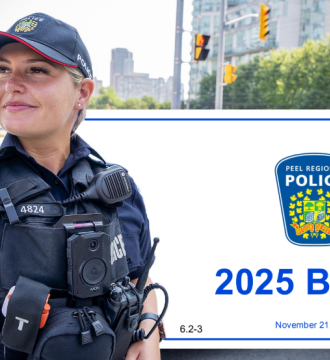
ABR-SD Collective currently holds multiple partnerships with stakeholders that collaborate to identify the gaps in community safety and acknowledge what actions need to be continuously taken to achieve community safety on a daily basis. These stakeholder connections and collaborative efforts include engagement with the greater community through focus groups, grassroot groups, Peel Regional Police officers, community agency staff and many other initiatives within other jurisdictions.
- Safety of Cultural and Racial Communities are one of the paramount aspects of community safety. Peel and ABR-SD actively target discriminatory practices within each initiative acknowledging and incorporating these categories. To support specific cultural and racial communities and respond to community challenges rooted in systemic racism, many community-based agencies and grassroots groups are delivering initiatives, programs and services in Peel.
- Safety in Youth is primarily affected by the challenges of insufficient community and mental health health support. Additionally, agency staff in Peel who serve justice-involved youth observed that the majority have untreated mental health challenges. Peel provides multiple mental health resources from community agencies, grassroots groups and municipal governments tailored specifically to cultural needs of different ethnic groups. These resources are inclusive of counselling to help aid youth amidst racial conflict. Although this is the case, ABR-SD continuously strives to create opportunities to enhance accessible, affordable and culturally specific mental health support for young people in Peel. Enhancing positive police-youth relationship to build trust in officers assisting and peacefully intervening (if necessary) when these conflicts are escalated. Furthermore, Peel and ABR-SD wish to increase connections with youth through social development and violence prevention programming, to reduce violent harmful behavior such as racially motivated bullying. Currently, the following resources are available for anyone experiencing mental health crisis:
- Mobile Crisis Rapid Response Team (MCRRT)
- Crisis Outreach and Support Teams (COAST)
- 24.7 Crisis Support Peel Dufferin
- Community Crisis Rapid Response Team (CCRRT) and Embedded Community Crisis Rapid Response Team (ECCRRT) pilot projects (non-police response option)
- Torchlight (non-police response option)
- Enhancing Safety for Communities in Peel Region is the general underlining aspect that ABR-SD wishes to continuously target through the rebalancing of tasks as well as resources towards a greater role for community response. In addition to this, our efforts wish to see a greater investment in social services and community-based supports in the future.




Comment